Ant advice travels fast in Indian Trail neighbourhoods, and a good share of it is wrong in ways that make infestations last longer. Cinnamon along the windowsill, vinegar in a spray bottle, a fogger for the pantry: each has a story behind it, and each deserves a straight verdict. This myth check sorts the common claims about kitchen ants so you can spend effort on the two or three things that genuinely change the outcome.
The biology underneath is not complicated. A kitchen trail is the supply line of a colony you cannot see, with a queen you need to affect and workers who share food mouth to mouth. Anything that only kills or scatters workers scores poorly against that biology, no matter how satisfying the first hour looks.
The claims, sorted
| Claim | Verdict | Why |
|---|---|---|
| Spraying the trail solves the problem | Myth | Repellent sprays kill visible foragers and scatter the rest. The colony replaces workers and may split into new trails, so sightings often increase. |
| Bait is slower, so it must be weaker | Myth | The delay is the mechanism. Slow-acting bait is shared through the colony and reaches the queen, which a fast contact kill never does. |
| More ants at the bait means it is failing | Myth | Recruitment looks like a surge. Workers summon nestmates to a food source, so a busy first few days followed by decline is the expected pattern. |
| A spotless kitchen means no ant problem | It depends | Sanitation removes food competition and is essential, but ants also come in for water and shelter, and a colony in a wall void persists on very little. |
| All small ants are the same | Myth | Species differ in food preference, nesting site, and colony structure. Bait choice and placement depend on which ant you actually have. |
| Sealing cracks alone ends an infestation | It depends | Sealing entries after activity drops helps keep new colonies out. Sealing during an active indoor infestation can trap ants inside and reroute them indoors. |
| Outdoor colonies do not matter if you treat indoors | Myth | Most kitchen trails start outside. Without addressing outdoor food, water, and harbourage, new foragers replace the ones baiting removes. |
What the sorted claims leave standing
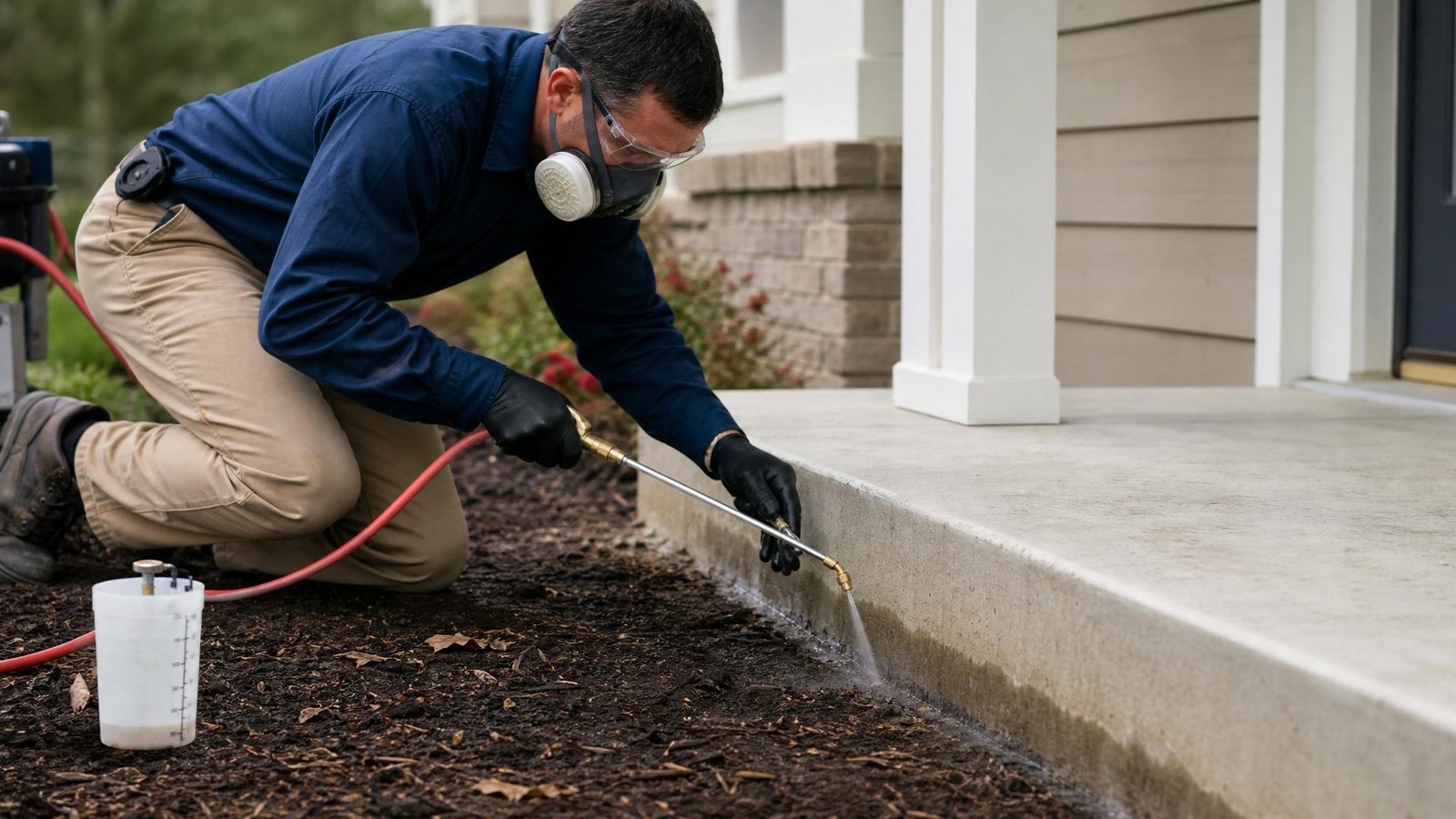
Three practices survive every myth check. First, clean to remove competing food and water, including grease film and the drip under the sink, because bait must be the most attractive food on the trail. Second, bait the active trail and leave it undisturbed, with no repellent sprayed near it, for the one to two weeks the colony needs to feed on it. Third, after activity falls, seal the entry and reduce outdoor pressure by trimming vegetation off the house and fixing moisture at the foundation. Pest Pros Pest Control provides residential pest control in Indian Trail, and professional treatment follows this same logic at larger scale, adding species identification and perimeter work that a single bait station cannot cover.
The claim that costs the most time
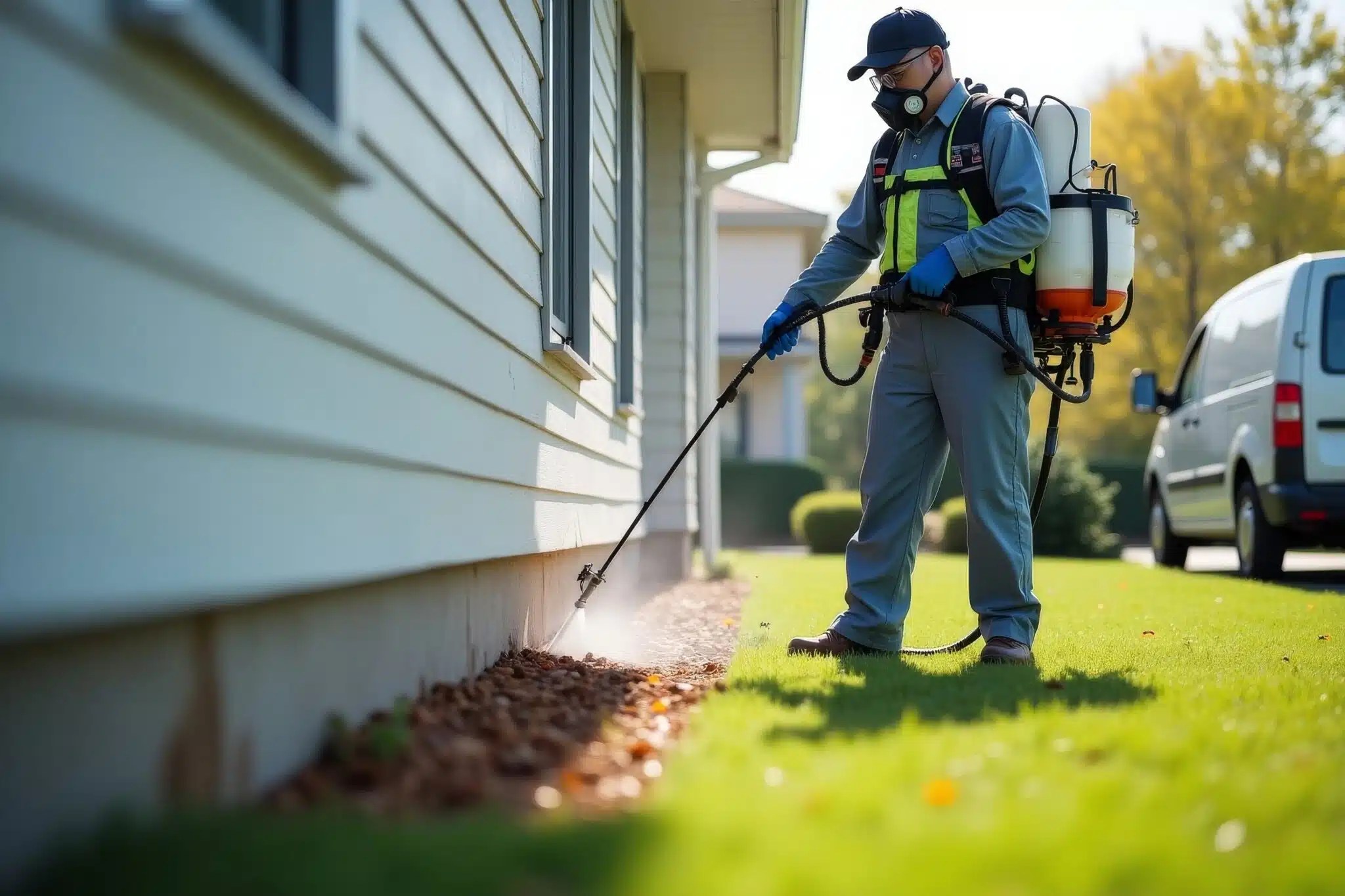
The expensive myth is not cinnamon; it is that persistence with the wrong tool counts as treatment. A month of daily spraying feels diligent and reliably produces a colony that is still there in month two, now using three trails instead of one. If two weeks of correctly placed, undisturbed bait changes nothing, the useful conclusion is that the species, the colony location, or the scale is beyond the over-the-counter version of the plan. That is a diagnosis problem, and it is the point where identification by someone who sees these species daily earns its place.
A note on trails outside the kitchen
Not every ant trail is a kitchen problem, and the myth check applies differently outdoors. Trails up a tree trunk often lead to aphids or other honeydew-producing insects in the canopy, and trails across a patio may be moving between outdoor nest sites with no interest in your house at all. Those do not need baiting; they need watching, and intervention only if the trail turns toward doors, windows, or the foundation. Trails on the foundation itself, running up to a sill or a utility entry, deserve more attention, because that is the scouting pattern that precedes indoor foraging. Sealing those specific entries, trimming the vegetation bridges that reach them, and keeping the foundation line free of stacked wood and clutter handles most of that pressure before a single ant reaches the counter.
Common questions
Does vinegar or cinnamon do anything at all?
They can disrupt a scent trail briefly, which may move ants for a day. They do not affect the colony, so they are cleanup aids at best, not treatment.
Why should I not spray and bait at the same time?
Repellent contaminates bait and drives ants off the treated trail. The two tools work against each other when used in the same place at the same time.
How do I know which bait to buy?
Watch what the ants are feeding on. Sweet-feeding and protein or grease-feeding ants take different baits, and switching bait type is a common fix when one is ignored.
Photos in this guide are representative stock images.
← All guides from Pest Pros Pest Control← Back to Pest Pros Pest Control