In Indian Trail, cockroach pressure follows the weather, but not in the same way for the two roaches that share the name. Large American cockroaches surge with summer heat, rain, and mulch moisture, pushing in from yards, sewers, and crawlspaces. German cockroaches live indoors year-round, breeding in kitchens and bathrooms at a pace set by warmth and harbourage rather than by the season outside. A seasonal plan has to run both clocks at once, and this checklist is built to do that.
Work it by season. The outdoor items mostly target American cockroaches and their entry routes. The indoor items mostly target German cockroaches and the harbourages that let a small introduction become an infestation. Skipping the indoor list because it is winter is the most common planning mistake, since that is when indoor breeding proceeds undisturbed.
Season-by-season cockroach checklist
- Spring: clear leaf litter and old mulch against the foundation, repair winter plumbing leaks, and inspect under sinks and behind appliances for early German cockroach signs before summer warmth speeds breeding.
- Spring: seal gaps at doors, pipe penetrations, and crawlspace vents while outdoor roach numbers are still low, so summer pressure meets closed entries.
- Summer: expect American cockroach entries after heavy rain and during peak heat. Check floor drains, garages, and bathrooms first, and keep exterior doors swept and sealed.
- Summer: keep mulch pulled back from siding, fix irrigation overspray wetting the foundation, and remove cardboard and clutter from garages and crawlspaces that shelter outdoor roaches.
- Fall: as outdoor roaches seek shelter, recheck weatherstripping and utility entries; a single sealing pass in fall prevents many winter sightings indoors.
- Fall and winter: run the German cockroach routine indoors — vacuum harbourages, clean grease from stove and cabinet surfaces, store food sealed, and treat any sightings as an indoor breeding problem, not a seasonal visitor.
- Year-round: fix drips promptly. Both species key on water, and a leaking trap or sweating pipe sustains activity in any season.
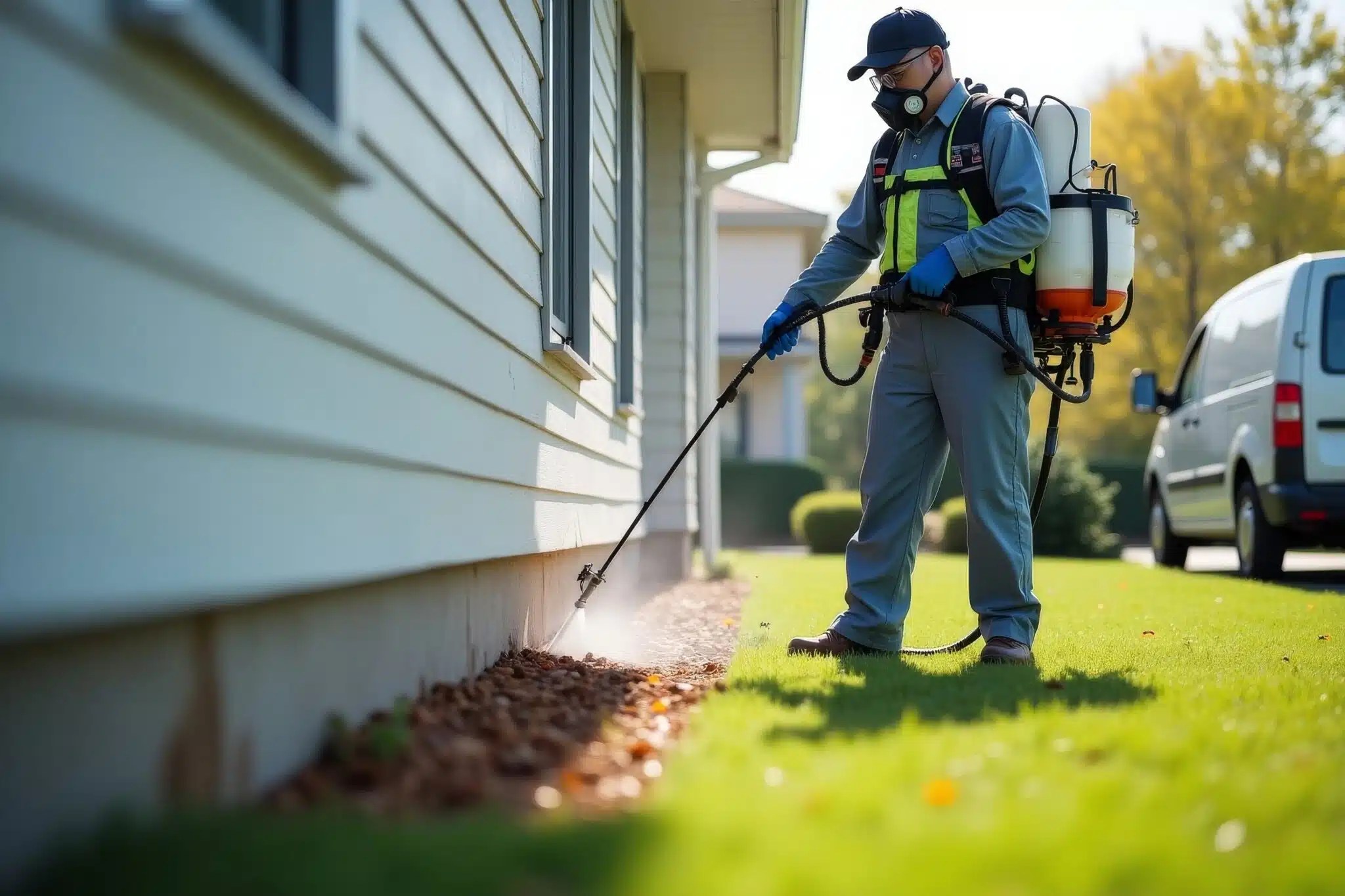
Telling the seasonal visitor from the resident
A large roach in the garage in July, or a few appearing after a storm, fits the outdoor pattern: American cockroaches moving through a landscape that suits them. Small roaches in the kitchen in January do not fit that pattern at all. German cockroaches, about half an inch long with two dark stripes behind the head, do not commute from the yard. Their presence means an indoor population, likely introduced in a box, appliance, or grocery bag at some point, now breeding on site. Pest Pros Pest Control provides residential pest control in Indian Trail, and identifying which pattern you have is the first step of any useful visit, because the treatments diverge completely from that point.
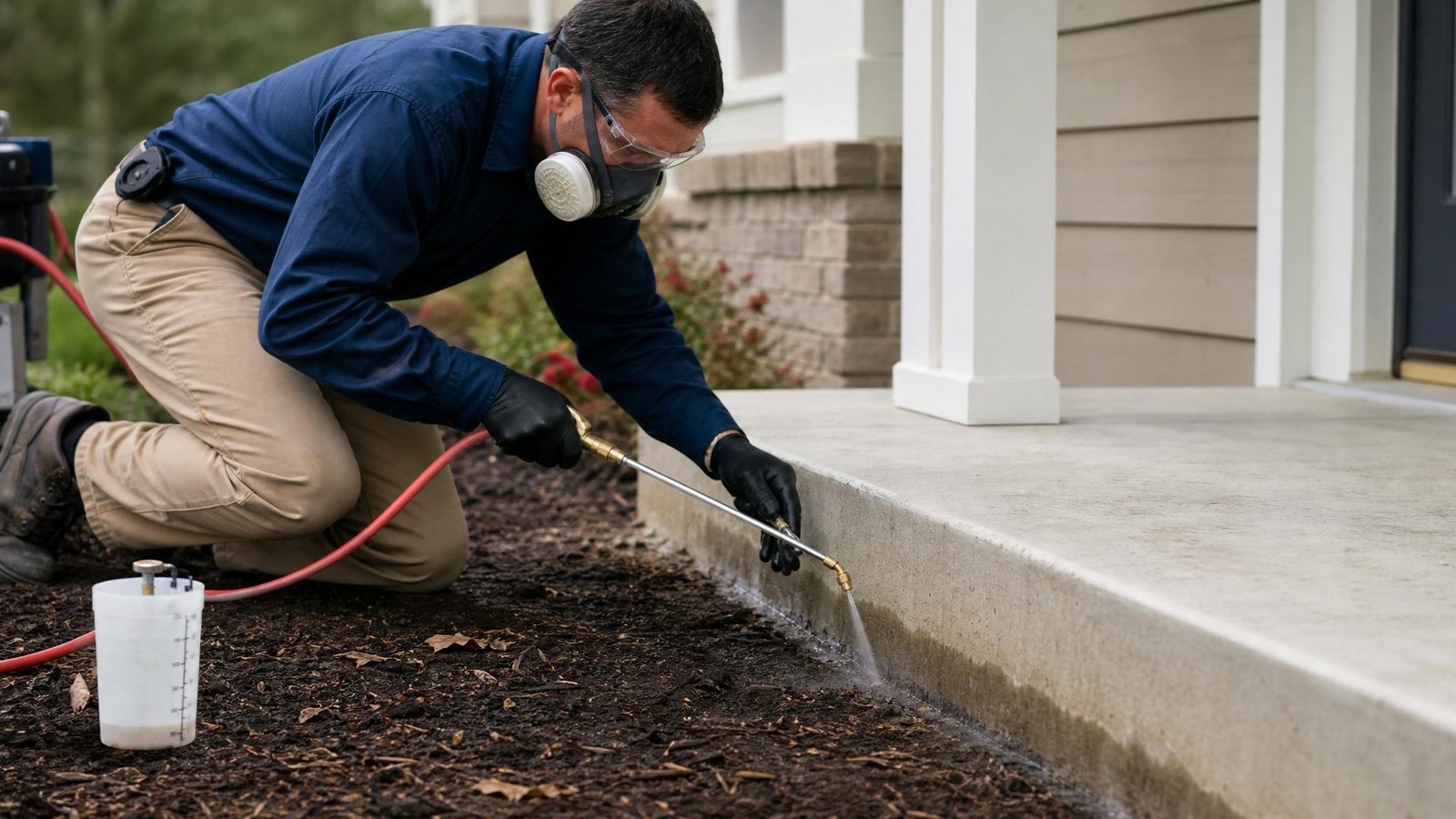
What the seasons change about treatment
Outdoor-pressure problems respond to perimeter and harbourage work timed ahead of the surge: treat and seal in spring, maintain through summer, and harden entries again in fall. Indoor German cockroach problems ignore the calendar and need a sustained programme of precise bait placements in harbourages, sanitation, and follow-up visits timed to egg hatching, whenever they are found. The shared mistake is treating an indoor breeding infestation with a seasonal perimeter spray, which does not reach the insects inside cabinet hinges and appliance voids, and can scatter them with repellent product. Match the plan to the species and the season will stop feeling like the deciding factor.
Apartment-style risks in single-family homes
German cockroaches are usually discussed as an apartment problem, but single-family homes in Indian Trail share more of the risk factors than owners expect. A rental property between tenants, a home with a recently installed used appliance, or a house where several generations of boxes and paper goods accumulate in a warm utility room can all host a breeding population that stays unnoticed for months. The seasonal checklist should therefore include the introduction points, not just the seasons: inspect incoming secondhand appliances before they are installed, break down delivery cardboard promptly rather than storing it in the kitchen, and check guest and utility areas that nobody enters weekly. Finding a small population in one harbourage in spring, through a deliberate check, is a far better outcome than finding an established one across the kitchen in August.
Common questions
Why do I see big roaches inside after heavy rain?
Rain floods outdoor harbourages in mulch, drains, and crawlspaces, driving American cockroaches to higher, drier shelter, which often means your house. Entry sealing limits the surge.
Do German cockroaches go away in winter?
No. They live and breed indoors continuously. Winter sightings in a heated kitchen are normal for an established population and need the same response as summer ones.
What is the best month to start prevention?
Spring, before summer pressure peaks and before indoor populations accelerate in the warmth. Fall is the second-best window, focused on sealing entries.
Photos in this guide are representative stock images.
← All guides from Pest Pros Pest Control← Back to Pest Pros Pest Control