Choosing a mosquito plan for an Indian Trail yard is less about finding the strongest product and more about matching the method to the yard you actually have. A small, drained, sunny lot with a patio habit is a different problem from a wooded acre with a drainage ditch along the back fence. This decision guide walks the real options by situation, so expectations are set by the yard and the season rather than by the brochure.
One fact governs every row below. Mosquitoes breed in standing water and rest in shade, and adults fly in from beyond your fence. Every method either removes breeding, kills resting or flying adults, or protects people directly, and none of them does all three perfectly.
Match the method to the situation
| Your situation | Best first move | What to add | Realistic result |
|---|---|---|---|
| Small lot, bites mainly at the patio | Weekly standing-water sweep and fans at seating | Barrier treatment of shrubs and shaded walls near seating | Noticeably fewer bites at the patio for weeks at a time |
| Wooded lot or ditch nearby | Source reduction on your land; accept off-site breeding exists | Recurring barrier treatments through the season | Reduction, not elimination; pressure returns after rain and at dusk |
| One outdoor event to protect | Time a treatment a day or two before, plus fans and repellent on hand | Clear water and tidy harbourage the week before | Good odds for that evening; no lasting change to the season |
| Kids and pets in the yard all summer | Source reduction as the standing habit | Scheduled treatments with label-based re-entry times followed exactly | Lower background pressure all season with minimal daily effort |
| Garden and pollinators a priority | Source reduction and targeted larvicide in water that cannot drain | Careful placement away from flowering plants, applied as directed | Fewer mosquitoes with the least effect on bees and butterflies |
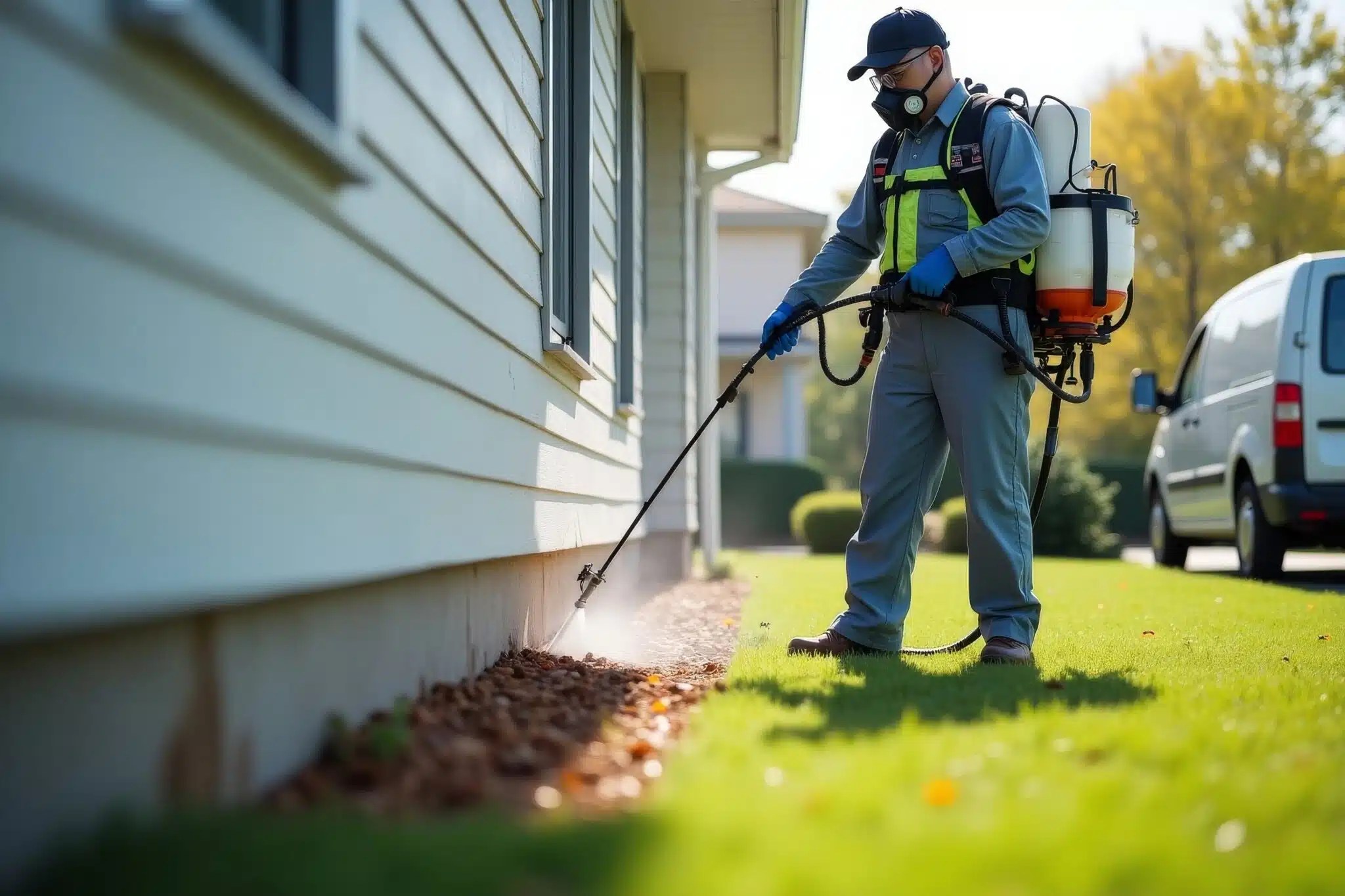
What recurring treatments add, and their ceiling
A recurring yard service, such as the mosquito control Pest Pros Pest Control offers in Indian Trail, applies residual treatment to resting surfaces on an interval matched to how long the product holds up outdoors, typically a few weeks, shortened by heavy rain. The value is consistency: harbourage stays treated through the peak months without the homeowner tracking intervals. The ceiling is the same as any barrier method. It reduces the adults resting and breeding on your lot, it does not seal the lot, and a wet June in the Piedmont will test any programme. Judge a service over a full interval and against your water control, not by a single dusk after a thunderstorm.
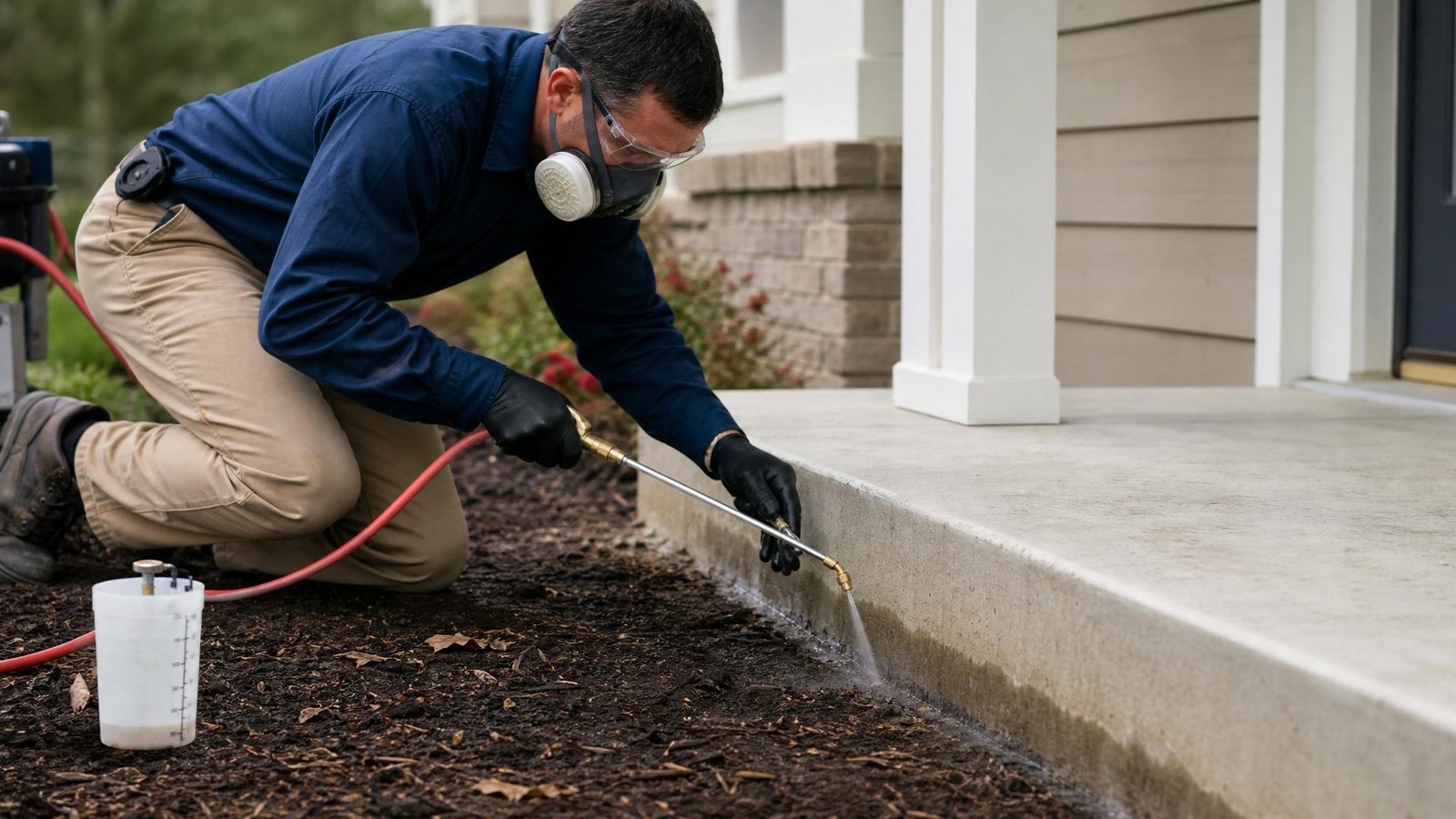
The part no service replaces
Every few days through the season, walk the yard with one question: where is water standing that was not there last week? Check saucers under pots, folded tarps, clogged gutters, toys, and the corrugated ends of drain lines. Tip, drain, scrub, or refresh each find. Birdbaths need scrubbing as well as refilling, because eggs adhere to the sides. This ten-minute habit is the highest-return item in the whole table, and programmes that skip it spend their effort replacing mosquitoes that the yard keeps manufacturing. Pair it with personal protection at dawn and dusk, when several local species feed most actively, and the season becomes manageable even on difficult lots.
Reading your results honestly over a season
Keep a simple log for the first season of any plan: dates of treatments, heavy rains, and your own rough rating of evening bites each week. Patterns appear quickly on paper that memory blurs. If pressure spikes reliably three days after rain, breeding water somewhere nearby is recharging the population and the hunt for it is worth another pass. If pressure is worst on still, humid evenings and mild on breezy ones, fans and timing of outdoor activity will buy more relief than additional product. If one corner of the yard is consistently worse, look for the local cause there rather than treating the whole lot harder. That log also gives any provider you work with real information to adjust interval, placement, and method, instead of guesswork at each visit.
Common questions
How often do yard treatments need repeating?
Typically every few weeks through the season, because sun and rain degrade the residual. Your provider sets the interval; heavy-rain stretches can shorten it.
Are treatments safe around a vegetable garden?
Products must be applied and harvested around exactly as their labels direct, with garden areas often excluded from application. Raise it before the first visit so the plan accounts for it.
Why are mosquitoes still bad right after treatment?
Adults keep arriving from off the lot, and pupae already in water emerge on schedule. Give a treatment its full interval, with water control running, before judging it.
Photos in this guide are representative stock images.
← All guides from Pest Pros Pest Control← Back to Pest Pros Pest Control