Rodent work in Indian Trail is seasonal whether homeowners plan it that way or not. Mice and rats press into houses as nights cool, breed and travel through winter sheltered in attics and crawlspaces, and disperse again in spring, and each season changes what inspection, sealing, and trapping can accomplish. A calendar approach turns a recurring scramble, usually started by a noise in December, into short tasks done when they work best.
The principle behind the calendar is exclusion before traps, spread across the year. Sealing in fall, before the main entry pressure, prevents the winter infestation. Trapping without sealing only manages it. The table below is the year as a rodent experiences your house, with the matching homeowner task for each stretch.
The rodent year, season by season
| Season | What rodents are doing | Homeowner tasks |
|---|---|---|
| Early fall | Scouting entries as nights cool; harvest food sources draw activity near homes | Full exterior inspection; seal gaps at eaves, vents, and penetrations; fix garage door seals; move firewood and seed storage away from walls |
| Late fall and winter | Settled indoors; breeding in sheltered voids; night noise and droppings peak | Trap along runs, check traps often, monitor for new droppings; avoid indoor poison where animals can die in voids |
| Spring | Dispersal; juveniles leave nests; some animals move back outdoors | Re-inspect seals after winter storms and roof work; clean up droppings safely; repair gnawed wiring or insulation found in the attic |
| Summer | Mostly outdoor living, but attics still used in heat by some species; entry points remain | Trim limbs off the roof, clear clutter against the foundation, maintain seals; the quiet season is the easiest time for thorough exclusion work |
| Year-round | Following food, water, and shelter wherever offered | Seal stored food, manage pet food and bird seed, fix leaks, and keep crawlspace and attic access points screened and intact |
Why fall sealing beats winter trapping
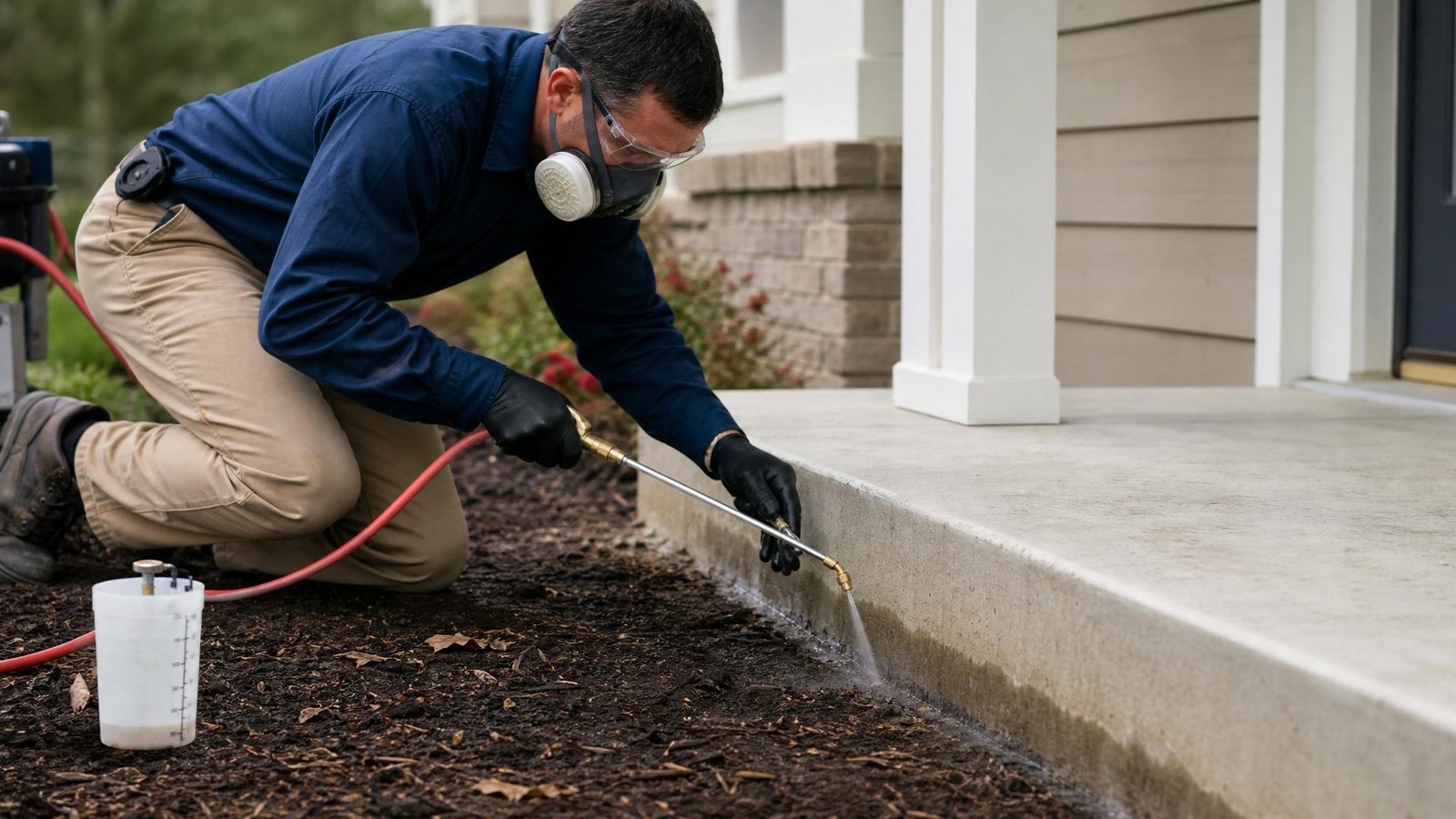
A mouse needs a gap only about a pencil's width, and a house offers dozens of candidate gaps where pipes, wires, and vents pass through. Finding and sealing them on a mild fall weekend is methodical work. Finding them in January, with animals already inside and droppings accumulating, is the same work under pressure, plus trapping, plus cleanup. Pest Pros Pest Control lists rodent control in Indian Trail, and professional exclusion follows the same calendar logic: seal with metal, mesh, and concrete-grade materials rodents cannot gnaw, because foam and caulk alone are treated by rodents as a mild inconvenience.
Monitoring between the seasons
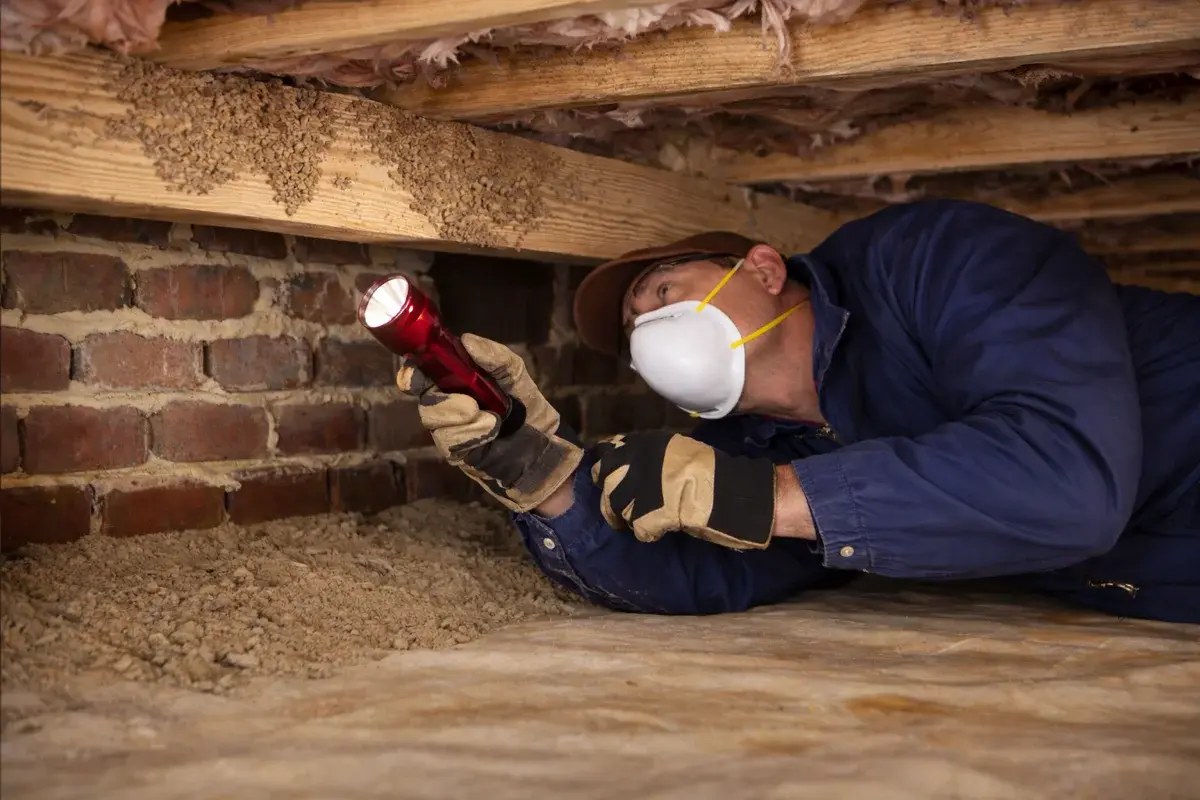
Calendars fail without checks. After any sealing or trapping programme, watch for the three reliable indicators: fresh droppings, which are dark and moist compared with old grey ones, new gnaw marks on wood or stored goods, and night sounds, typically scratching or scurrying above ceilings after dark. None present for several weeks after work is a good sign, not a guarantee, which is why the fall inspection stays on the calendar even after a quiet year. Storm damage, a replaced roof, or new utility work can open a route that was sealed, and the calendar catches it at the next pass rather than at the next infestation.
Signs the calendar is working, and signs it is not
A successful year is quiet in specific ways: no fresh droppings on the monitoring points you checked in fall, no new gnaw marks on stored items or wiring, traps that stay empty through the winter peak, and silence above the ceilings on cold nights. Keep the checks light but real, a flashlight pass through the attic and crawlspace a couple of times a year, plus a look at the sealed points after any storm damage or roof work. The warning signs are equally specific. A single fresh dropping is worth a closer look, not a shrug, because it means a route exists. Sawdust-like debris, a musty odour near the eaves, or a pet fixating on one wall section all justify reopening the inspection. rodents exploit new gaps quickly, and the calendar only protects a house whose seals are verified, not merely remembered.
Common questions
When is the best month to seal my house against rodents?
Early fall, before sustained cold nights drive the main movement indoors. Summer is also excellent, since the work is easier and entries stand empty.
I hear scratching only in winter. Should I act in summer?
Yes. Winter noise means animals are already in. Summer is when exclusion work prevents the pattern repeating, and when attics are easiest to inspect and repair.
Do I still need traps if everything is sealed?
Sealing keeps new animals out but does not remove any already inside. Trapping or one-way exits clear the current residents as the sealing is completed.
Photos in this guide are representative stock images.
← All guides from Pest Pros Pest Control← Back to Pest Pros Pest Control