A homeowner in Indian Trail finds a blistered spot on a baseboard, presses it, and the paint gives way to hollow, mud-lined wood. Another finds wings on a garage floor. A third is told at a home inspection that mud tubes were seen in the crawlspace. All three are looking at the same insect from different angles, and troubleshooting termites well means working from the sign you have to the colony you cannot see, without panicking and without spraying the evidence away.
Subterranean termites, the dominant kind in the Carolinas, live in soil, need moisture, and feed on cellulose, which in a house means framing, subfloor, and trim. They work slowly and silently inside wood, which is why the first visible sign, a swarm, paint damage, or a tube, is treated as a prompt to investigate rather than as the whole story.
From symptom to cause, in steps
- Wings or winged insects indoors in spring. Likely a swarm from a colony in soil near or under the house. Save specimens for identification, note the room and date, and inspect the foundation and crawlspace for tubes before assuming the colony is inside the wall.
- Mud tubes on foundation walls or piers. That is termites commuting between soil and wood. Do not knock every tube down before inspection; whether tubes are active and rebuilt after disturbance is useful information for the follow-up visit.
- Blistered paint, hollow-sounding or spongy wood. Probe gently. Galleries that run with the grain and contain soil or mud point to subterranean termites. Clean, dry galleries without mud suggest a different wood pest and a different response.
- Sagging floor or sticking doors near plumbing. Moisture plus termite feeding in subfloor or framing can distort wood over time. Treat this as a prompt for a full crawlspace inspection, not a cosmetic repair to the door.
- No signs, but a neighbour has termites. Colonies do not respect lot lines, and foraging ranges overlap. An inspection with no findings is still a useful baseline, especially before a sale or refinance.
What an inspection can and cannot tell you
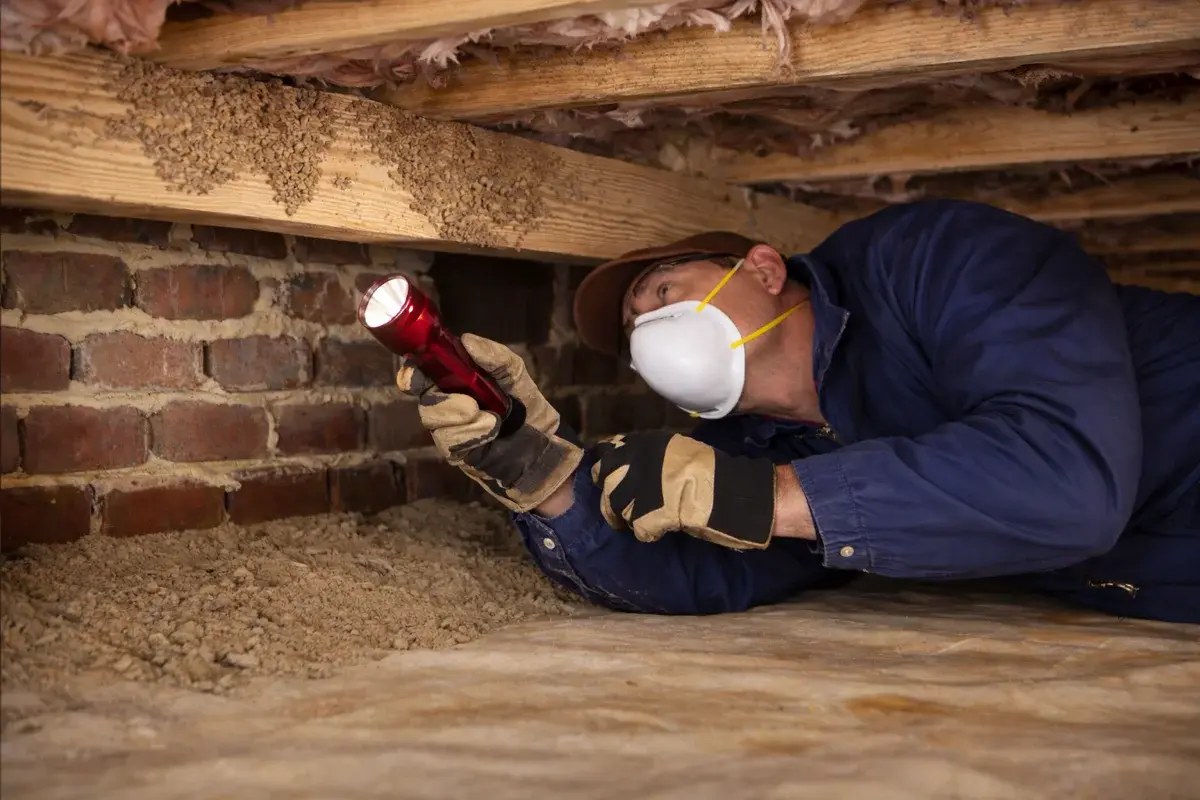
A thorough inspection covers the exterior foundation, crawlspace or basement, garage, and interior areas near plumbing, looking for tubes, damaged wood, moisture, and conditions that invite termites. It can establish active infestation, past activity, or no visible evidence. It cannot see inside sealed walls, so an honest report says visible evidence, not a guarantee about hidden spaces. Pest Pros Pest Control lists termite control in Indian Trail, and a good inspection conversation includes where the inspector could not access, which is information rather than a failure.
Fix it yourself, or call a pro
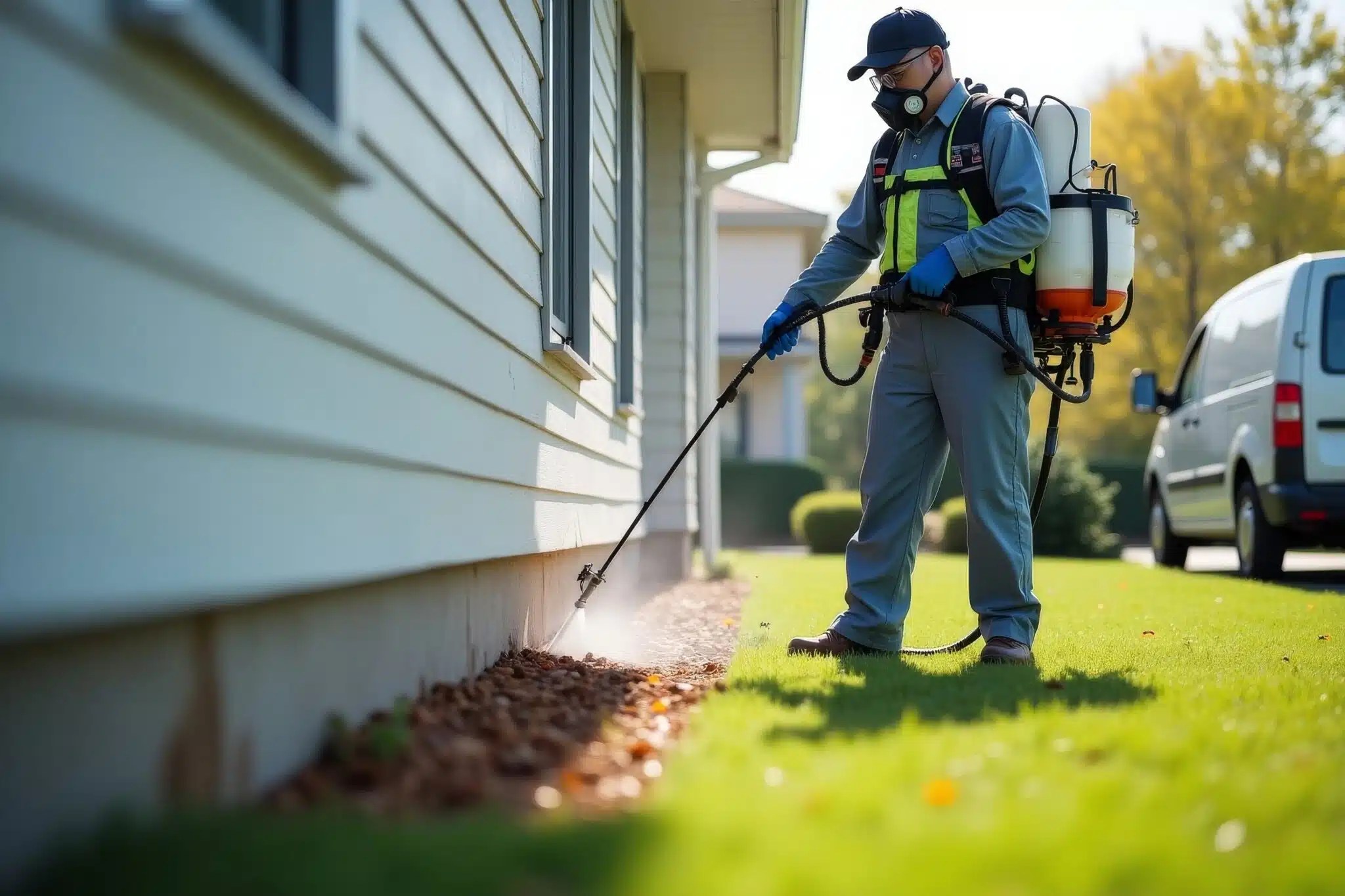
Homeowners can fix the invitation: correct drainage that ponds at the foundation, repair plumbing leaks, remove wood debris and stumps near the house, keep mulch and soil below the siding line, and store firewood away from walls. Those steps reduce risk and support any treatment. The treatment itself, whether a soil-applied liquid barrier or a monitored bait system, is professional work, because efficacy depends on correct placement in soil and under slabs, on product labelling and licensing, and on follow-up checks. Aerosol sprays and surface treatments do not reach a subterranean colony and mostly serve to hide where the termites were travelling.
Records, warranties, and what to keep
Termite work generates paperwork worth keeping in one place: the inspection diagram, the treatment record, and any service agreement terms, including what follow-up inspections include and what conditions the homeowner must maintain, such as keeping soil and mulch below the siding. Those conditions are not fine print for its own sake; heavy mulch against the house or a new deck built tight to the foundation can genuinely compromise a soil treatment. If you sell the home, that file answers buyer questions directly and shows a history of monitoring. If activity reappears, the diagram tells the next inspector exactly where product was placed and where it was not, which can be the difference between a targeted retreat and starting the whole investigation again.
Common questions
Termites or flying ants: how can I tell quickly?
Termite swarmers have straight antennae, a uniform waist, and equal-length wings that shed easily. Flying ants have bent antennae, a pinched waist, and unequal wings.
If I see no swarm, can I still have termites?
Yes. Many infestations are found by tubes or wood damage without the homeowner ever seeing a swarm, which is why periodic inspection matters in the Carolinas.
Will removing a stump near the house end the problem?
It removes food and shelter that support colonies nearby, which helps, but it is not a treatment for a colony already feeding on the house. Inspect first, then clean up.
Photos in this guide are representative stock images.
← All guides from Pest Pros Pest Control← Back to Pest Pros Pest Control